What Not to Put in a Storage Unit During Storm Season
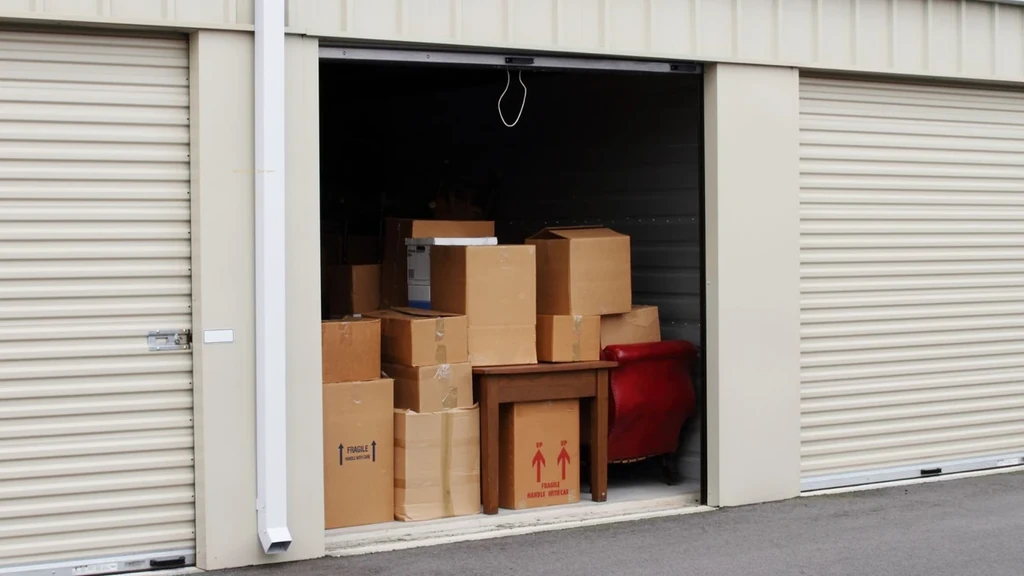
If you live along the Gulf Coast, the Atlantic Coast, or anywhere else storms roll through in late summer, storage planning looks a little different this time of year. Most items are perfectly safe in a storage unit year-round, but storm season is a good reminder to think twice about certain high-risk categories, especially in ground-level or outdoor units.
Why This Matters More in August
Hurricane season peaks in the late summer and early fall, and even facilities well outside a direct storm path can see heavy rain, temporary power loss, or localized flooding. Being thoughtful about what goes into storage during this stretch is a simple way to avoid losing something irreplaceable.
Items to Think Twice About Storing
Important original documents
Birth certificates, passports, property deeds, and other originals are difficult or impossible to replace. Keep these at home in a fireproof, waterproof safe, or store scanned digital copies instead of the physical originals.
Photographs and film negatives
Physical photos are especially vulnerable to moisture damage. If you must store them, use sealed plastic containers rather than cardboard boxes, and consider digitizing your most treasured images as a backup.
Electronics without proper protection
Humidity and temperature swings are hard on electronics even without a flood. If you're storing devices during storm season, use sealed, moisture-resistant containers and add desiccant packs.
Anything irreplaceable and sentimental
When possible, keep heirlooms, handwritten letters, and one-of-a-kind items at home or with a trusted family member during peak storm months.
Perishable or pest-attracting items
This one applies year-round, but it's worth repeating: food, plants, and anything organic can attract pests and mold, which spreads more easily in the humid conditions storms bring.
Smart Habits for Storm-Prone Areas
- Use plastic bins, not cardboard — cardboard wicks moisture and loses structural integrity quickly if any water gets in
- Elevate items off the floor — pallets or shelving reduce risk if water does enter a unit
- Review your coverage — many renters carry tenant insurance or protection plans; it's worth confirming what's covered before storm season peaks
How Osprey Storage Helps
Our facilities across storm-prone states — including Florida, Texas, and Louisiana — are built and maintained with regional weather in mind, and our team is glad to walk through unit options with flood exposure in mind, whether that means a covered unit, an elevated space, or simply guidance on the best fit for what you're storing.
We also offer Tenant Protection plans so you have an added layer of coverage for the unexpected.
Plan Ahead, Store Smart
Storm season doesn't mean avoiding self storage altogether, it just means being a little more intentional about what goes where. A few smart choices now can save you from a much harder conversation after the next storm passes through.
Explore Osprey Storage locations and talk to our team about the right unit for your area and your belongings.