
Climate Control Storage vs. Standard Units for Classic Cars
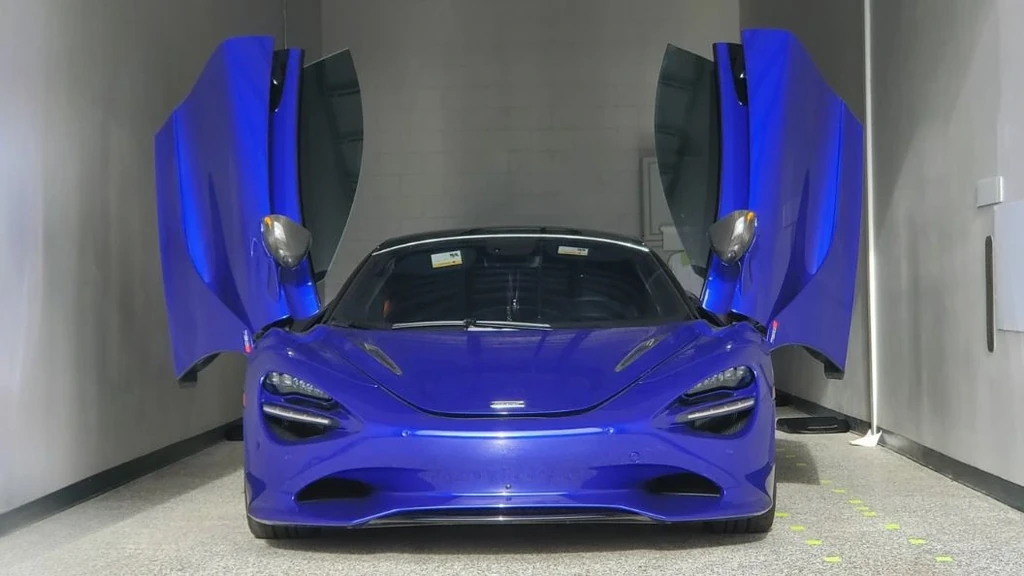
For a classic car enthusiast, a vintage vehicle isn't just a mode of transportation – it’s a time capsule, a piece of art, and a significant financial investment. When your garage runs out of room, the next step is choosing a storage unit.
However, the decision between a standard storage unit and a climate-controlled unit can be the difference between a classic car with a pristine engine start in the spring and a heartbreaking discovery of rust and dry rot. Here is everything you need to know to make the right choice for your "baby."
Standard Storage: The "Sturdy Garage" Option
A standard storage unit is essentially a high-quality, unheated garage. It provides a roof over your head and protection from the elements, but it does not regulate internal temperatures.
- Best For: Short-term storage (under 3 months) or rugged vehicles like vintage trucks and Jeeps in mild climates.
- The Pros: It’s the most budget-friendly option and usually offers "drive-up" access, making it incredibly easy to move the car in and out.
- The Cons: You are at the mercy of the local weather. Rapid temperature swings can cause metal to expand and contract, leading to stress on older parts.
Climate-Controlled Storage: The "Museum Quality" Option
Climate-controlled units maintain a consistent temperature (usually between 13°C and 27°C) and, more importantly, managed humidity levels.
- Best For: Long-term storage, high-value investments, and cars with original leather interiors or delicate wood trim.
- The Pros: It prevents the "Big Three" enemies of classic cars: rust, mold, and dry rot. By keeping humidity low, it ensures that chrome stays shiny and gaskets don't crack.
- The Cons: These units are more expensive and are often located inside a building, meaning you might have to navigate a hallway or use a large freight elevator.
The Comparison: At a Glance
Temperature Stability
Standard Unit: Fluctuates with the seasons
Climate-Controlled Unit: Steady year-round
Humidity Management
Standard Unit: None (High risk of rust)
Climate-Controlled Unit: Actively dehumidified
Cost
Standard Unit: Budget-friendly
Climate-Controlled Unit: Premium pricing
Best Climate
Temperate/Dry
Climate-Controlled Unit: Humid, freezing, or scorching
Why Humidity is the Real Villain
While most people focus on heat, humidity is the silent killer of vintage steel.
- High Humidity: Promotes oxidation (rust) on the chassis and allows mold to bloom on porous surfaces like headliners and carpets.
- Low/Fluctuating Humidity: Causes leather seats to shrink and crack, and can lead to the "crazing" of vintage paint finishes.
Expert Tip: If you choose a standard unit in a humid area, always use a high-quality, breathable car cover and consider placing moisture-absorbing silica gel packs inside the cabin and trunk.
The Verdict
If your classic car is a "survivor" with original components or a professional restoration, climate control storage is non-negotiable. The extra monthly cost is a fraction of what you would pay to repair a rusted frame or a molded interior.
However, if you just need a place to keep your weekend cruiser dry for a few weeks during a home renovation, a standard unit will do the trick – provided you prep it properly.
Between our cutting-edge security features and easy-access layouts, our Osprey Storage facilities offer options that ensure your classic car stays safe and in pristine condition. Find your local Osprey Storage facility and start storing today.